Guest Post by Dennis Ernst
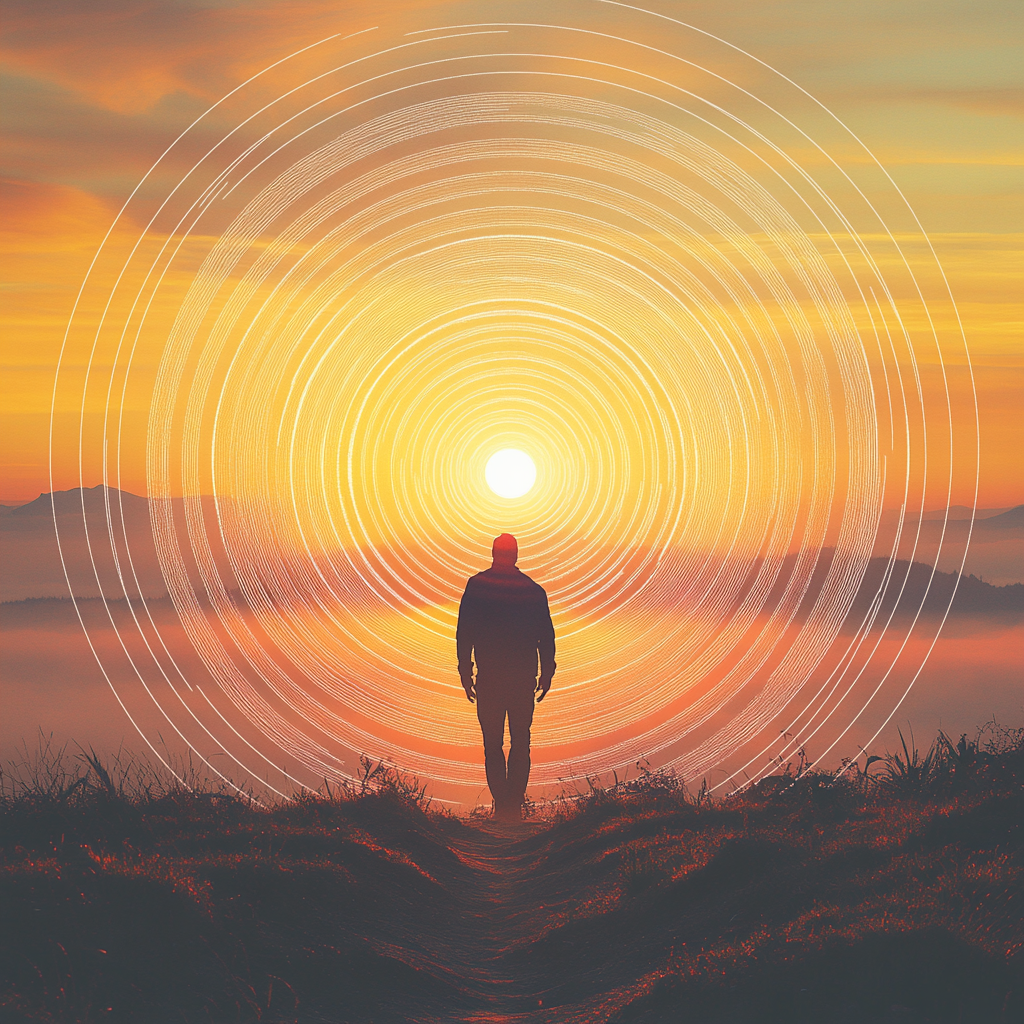
It was early morning and the sun had not yet risen. I watched in awe as the sky warmed, then brilliant pink, orange, and yellow colors stained the deep blueness of the night sky. All this and much more had happened before my camera shutter clicked and the picture taken.
When I looked at the picture, it was just one moment in a scene that didn’t change, as the light shifted. What had changed was being still, being present, noticing without looking, without an agenda, and letting nature show me its beauty. That is something that arrives on it’s own and not part of my doing.
That shift is the whole practice.
Most people pick up a camera already knowing what they’re hoping to find — a nice sunset, a smiling face, a dramatic sky. The camera becomes a tool for confirming what was expected rather than discovering what’s actually there. But photography, approached differently, can become something closer to sitting meditation: a discipline of arriving empty, waiting without forcing, and letting a scene disclose itself in its own time.
This isn’t about better gear or sharper technique. It’s about learning to listen before looking.
The Invitation
Before going somewhere to do photography, invite nature to show itself, in it’s on way and it’s own time. The second part of this is to arrive empty, without a plan, an agenda.
This isn’t about better gear or sharper technique. It’s about learning to listen before looking. This alone is harder than it sounds. Most of the noise that keeps a person from truly seeing isn’t out in the landscape; it’s internal, a mind already full of plans. Emptying that noise, even briefly, is the same discipline practiced in meditation, just carried outdoors with a camera in hand.
Listening before framing
When you have quieted yourself, real listening arrives, something different becomes possible: paying attention not to what a scene looks like, but to what it seems to be doing — a particular stillness, a texture, a relationship between light and shadow that wasn’t visible five minutes earlier. This stage produces no photographs at all, and that’s as it should be. It’s the cultivation, not the harvest.
Trusting the inner nudge
Eventually, something moves. Not a decision — an inner nudge, felt before it’s understood. Something changes inside you, and the essence of what you are seeing is clear. The instinct is to immediately explain it: “that’s beautiful because…” But the richer practice is staying with the raw sensation a moment longer, before language flattens it into a category. Trust that what nature wants to show you will come and you will see it and understand.
Making the image plain
Here’s the part that surprises most beginners: the picture itself should be strikingly simple. Not a vague, moody attempt to represent a feeling, but one clear, specific detail — a single gesture, a precise angle of light — rendered as plainly as possible. Paradoxically, the simpler, the more exact and uncluttered the image, the more of the original feeling survives the trip into someone else’s eyes. Clarity, not mood, is what carries meaning across.
Letting it rest
The final piece is patience after the shutter falls. Not every photograph needs to be understood the moment it’s made. Some of the most meaningful images only reveal what they were really about weeks or months later, looked at again with different eyes. This again is trusting the process, listening to what you see in the picture, and recognizing when you see the true essence of the place communicated well.
A practice worth trying
Anyone curious about this can start small: choose a familiar walk — a backyard, a favorite trail, even a regular commute — and go once without any goal beyond noticing. On your first trip or two leave your camera at home, you’re here to listen. Just be present and patient. When something finally causes a genuine, unplanned nudge, that’s the signal worth trusting. Photograph only that, as simply as possible, and resist the urge to explain the shot until much later.
Over time, a pattern tends to emerge — certain subjects, certain qualities of light, keep returning. That pattern isn’t random. It’s often the clearest map available of what a person is quietly paying attention to in their own life, gently reflected back through a lens. When you become comfortable with this process, then bring your camera along.
______________________
Dennis Ernst is a retired Professional Land Surveyor who now devotes his time to sharing the natural beauty he finds on his many treks through photography, blogs, and poetry. Please visit his website, Dennis Ernst Photography, for a glimpse into his fascinating world.
Leave a Reply